‘Armageddon’ at Europe’s Swim Spots
Linked to Warming Waters and Factory Farm Pollution
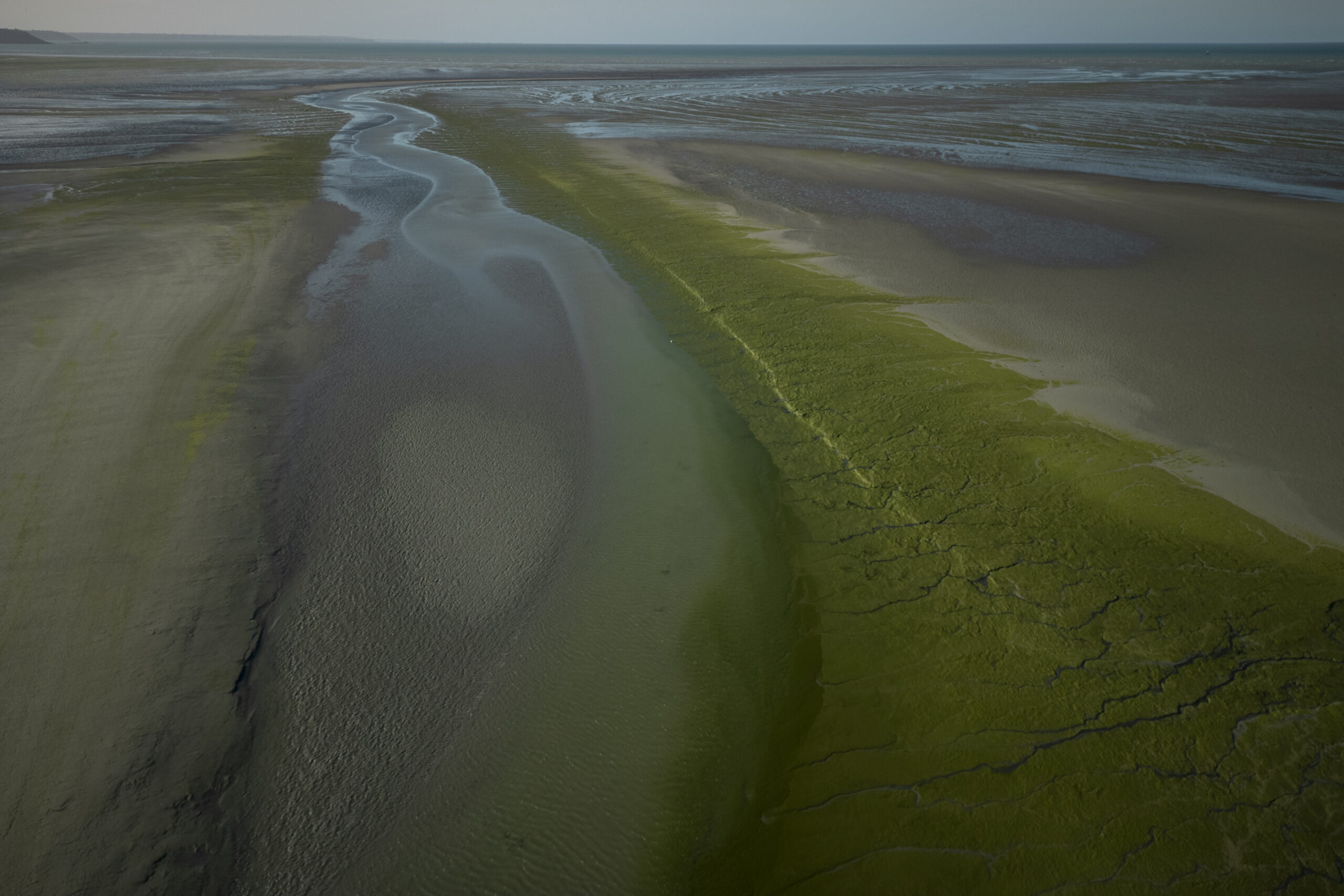
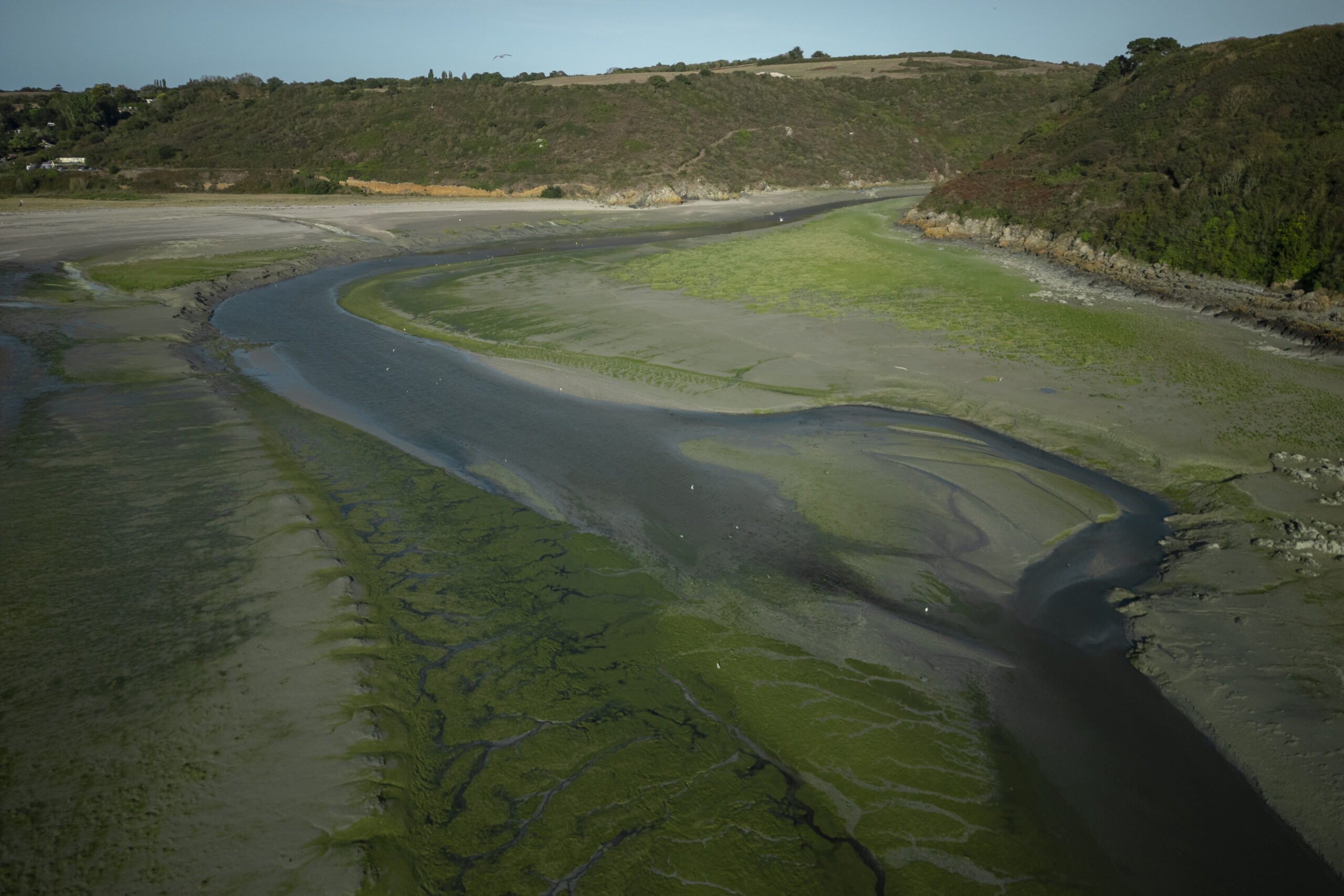
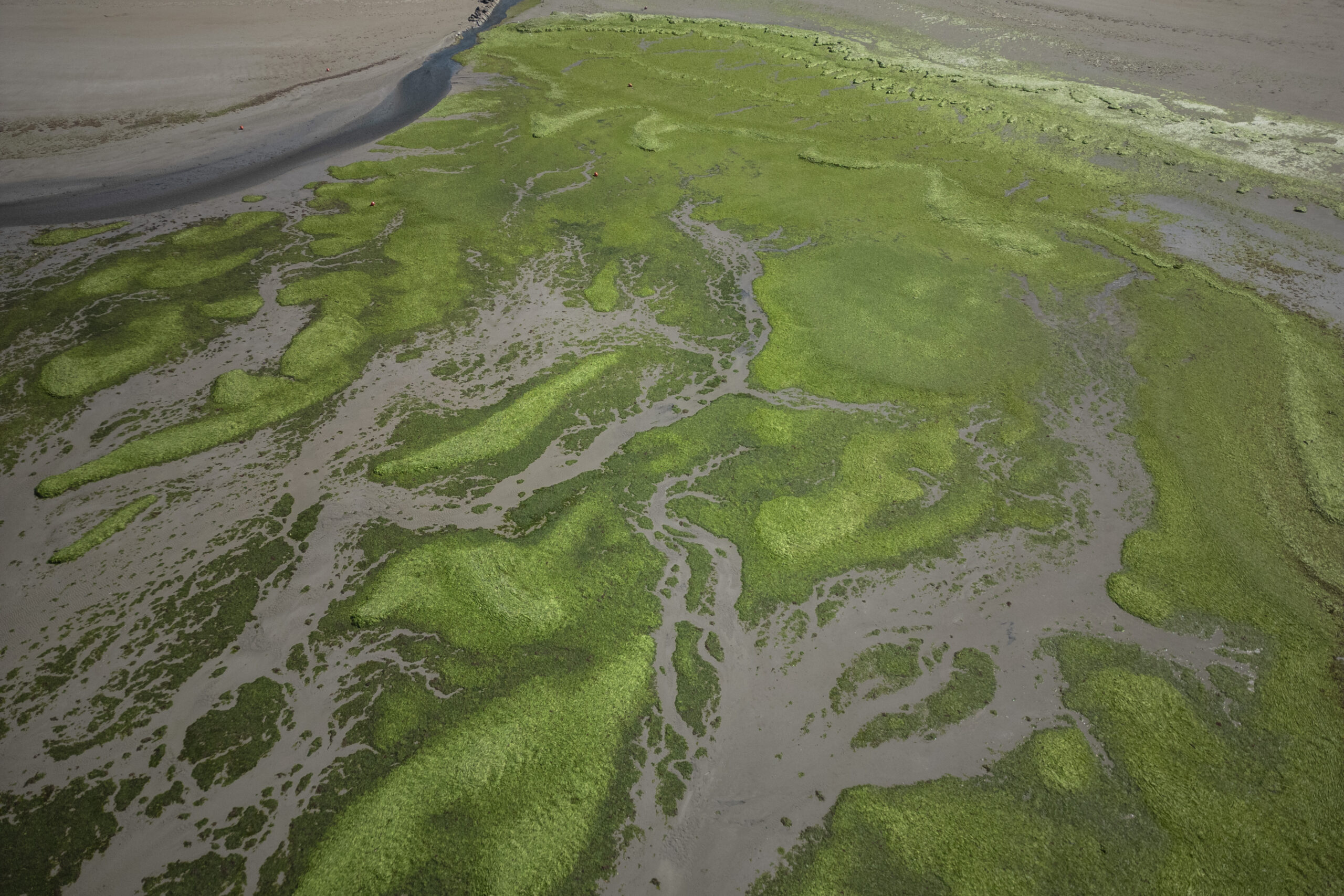
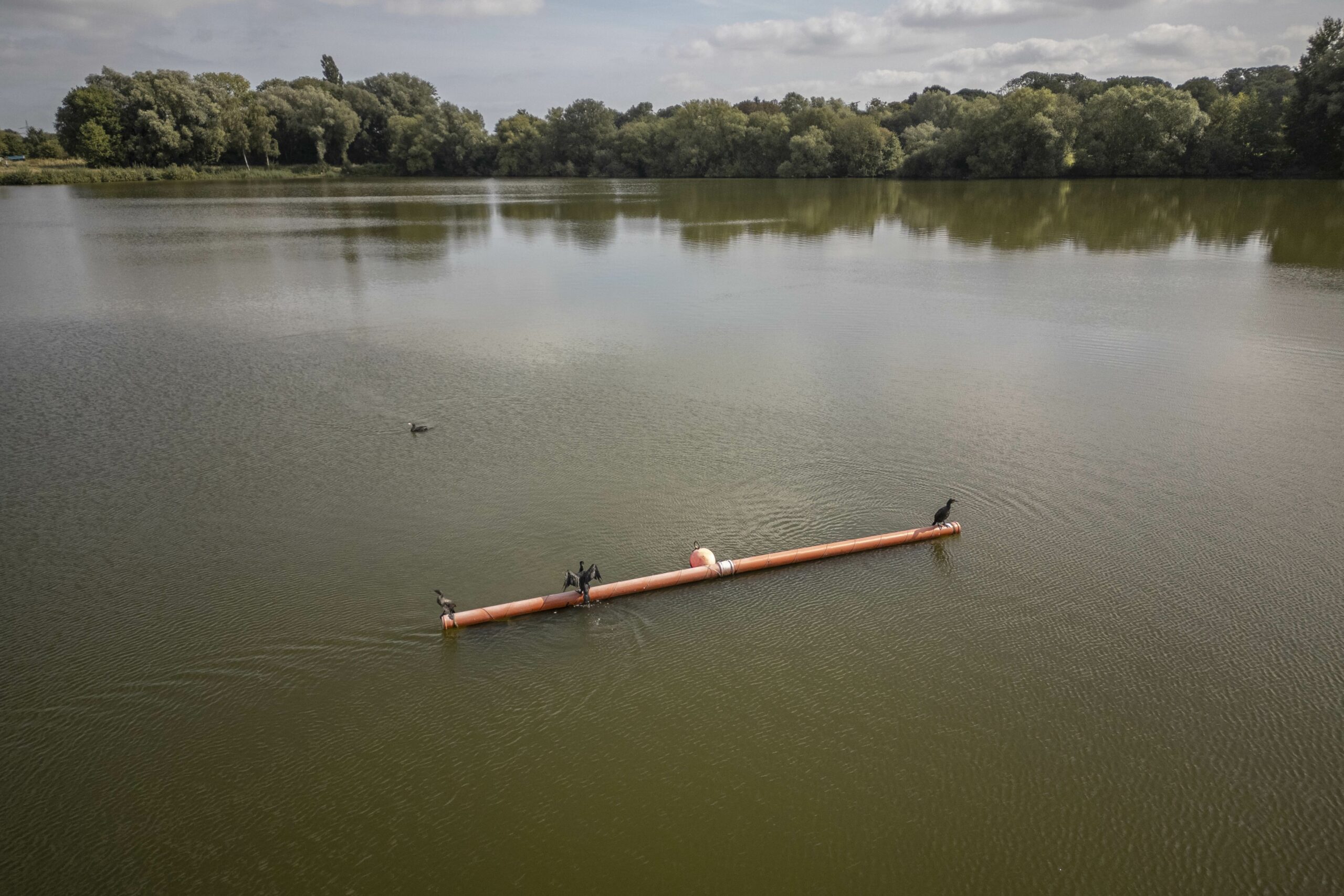
The risks of algal growth have been known for decades, but higher temperatures and longer summers mean these dangerous blooms are growing larger and lasting longer in many of the continent’s most iconic waterways.
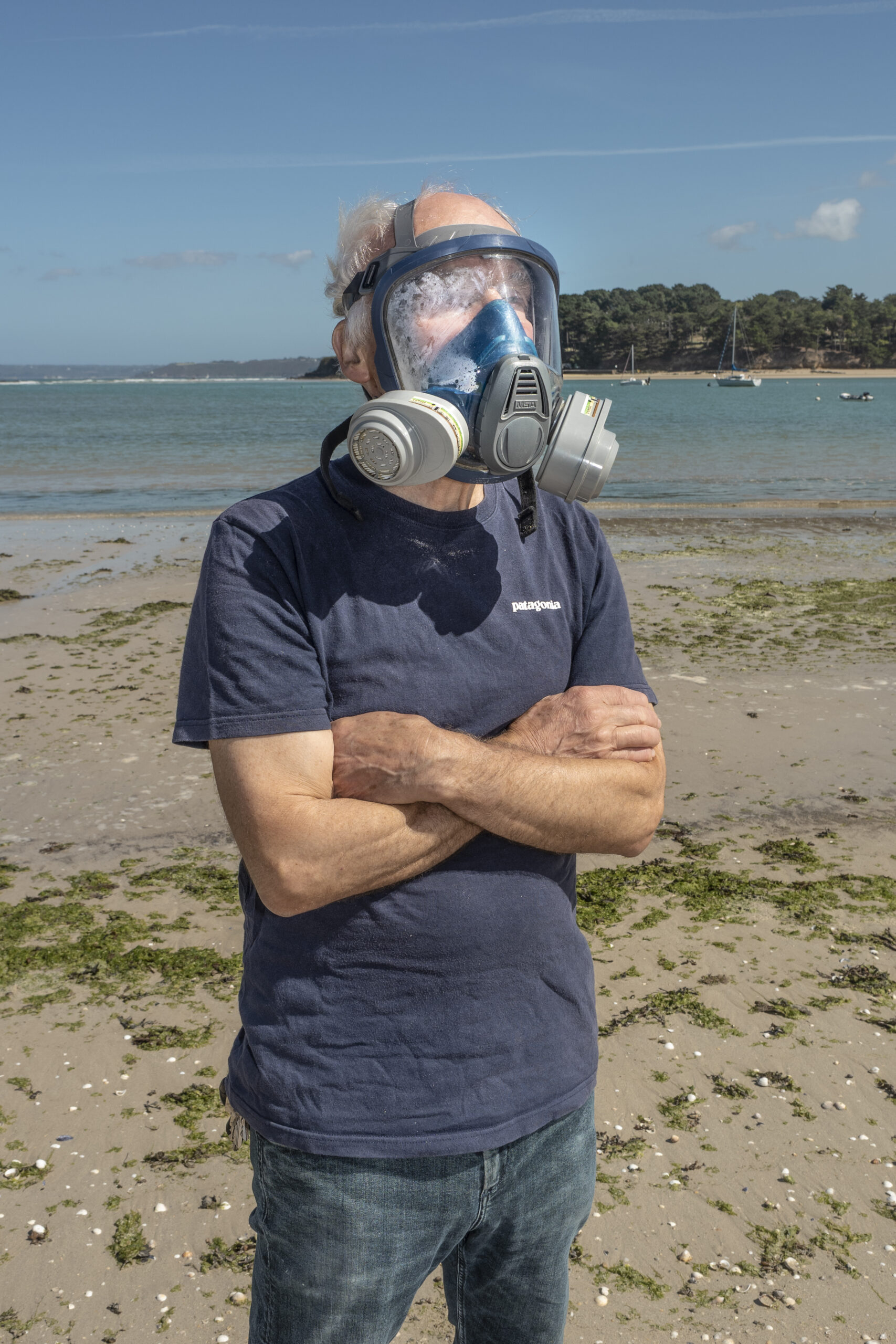
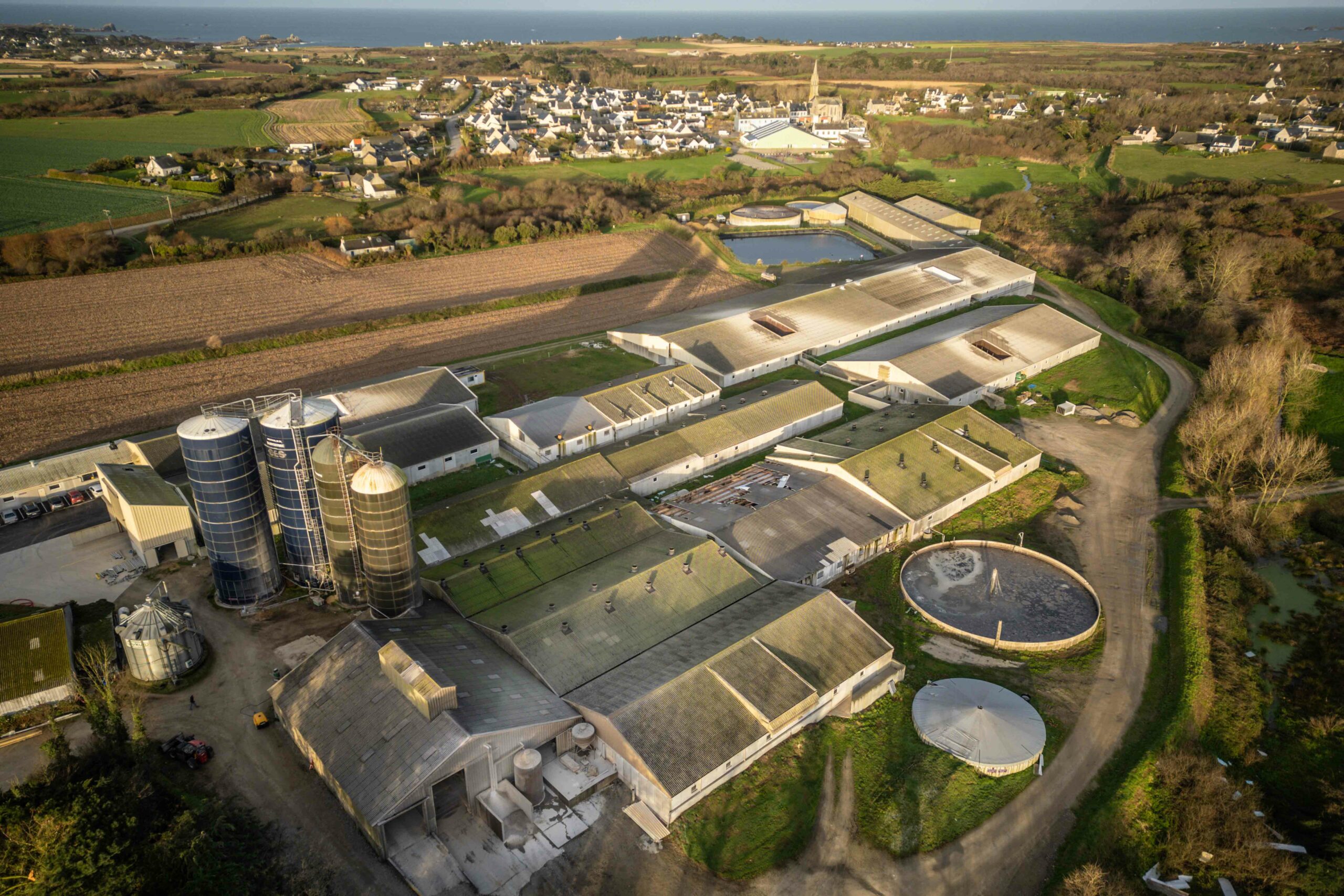
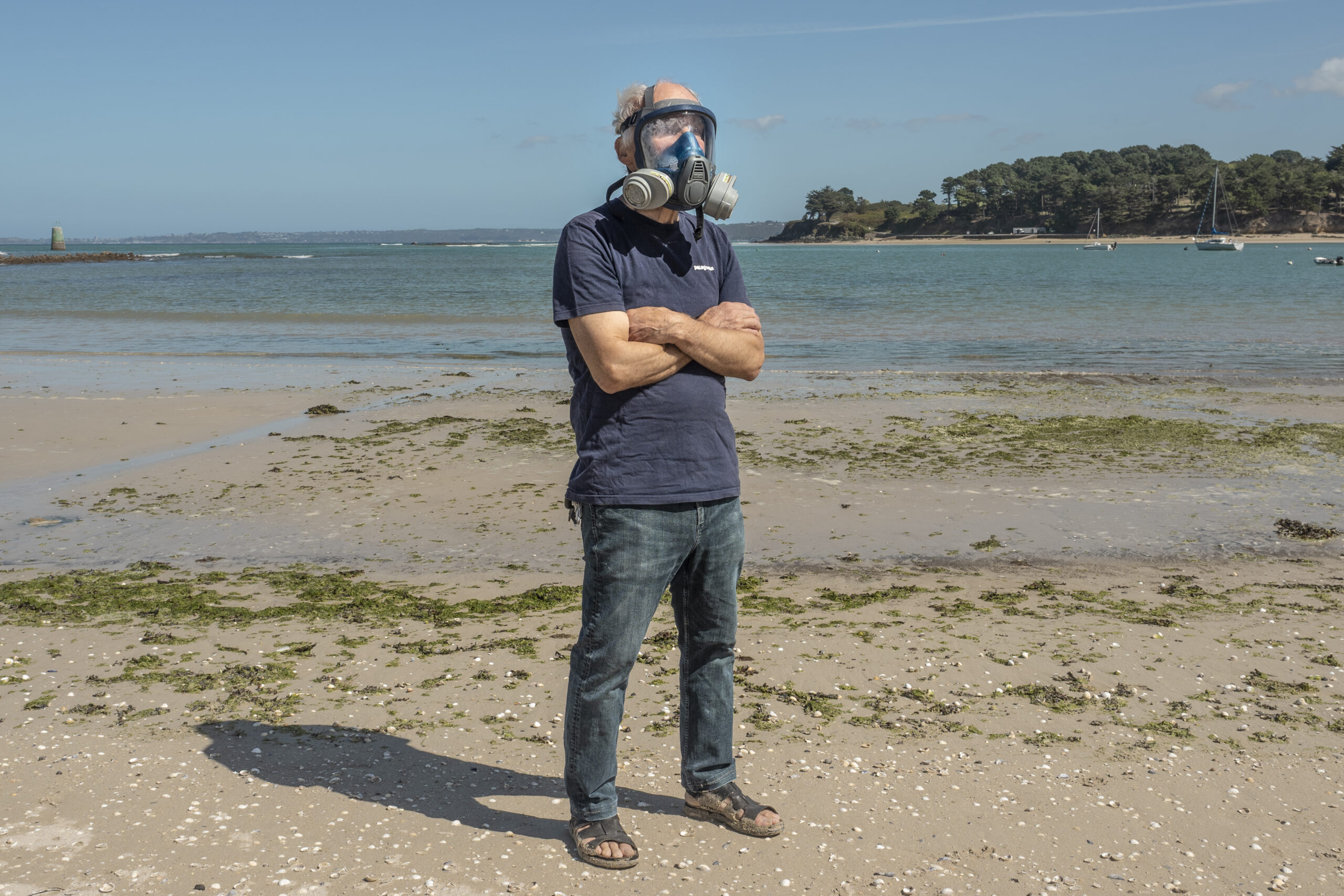
“I remember our beautiful beach before the pollution,” says Brittany resident Jean Hascoet, who leads local campaign group Baie de Douarnenez Environnement. “Now, with thousands of pigs near our town, everything is different.”
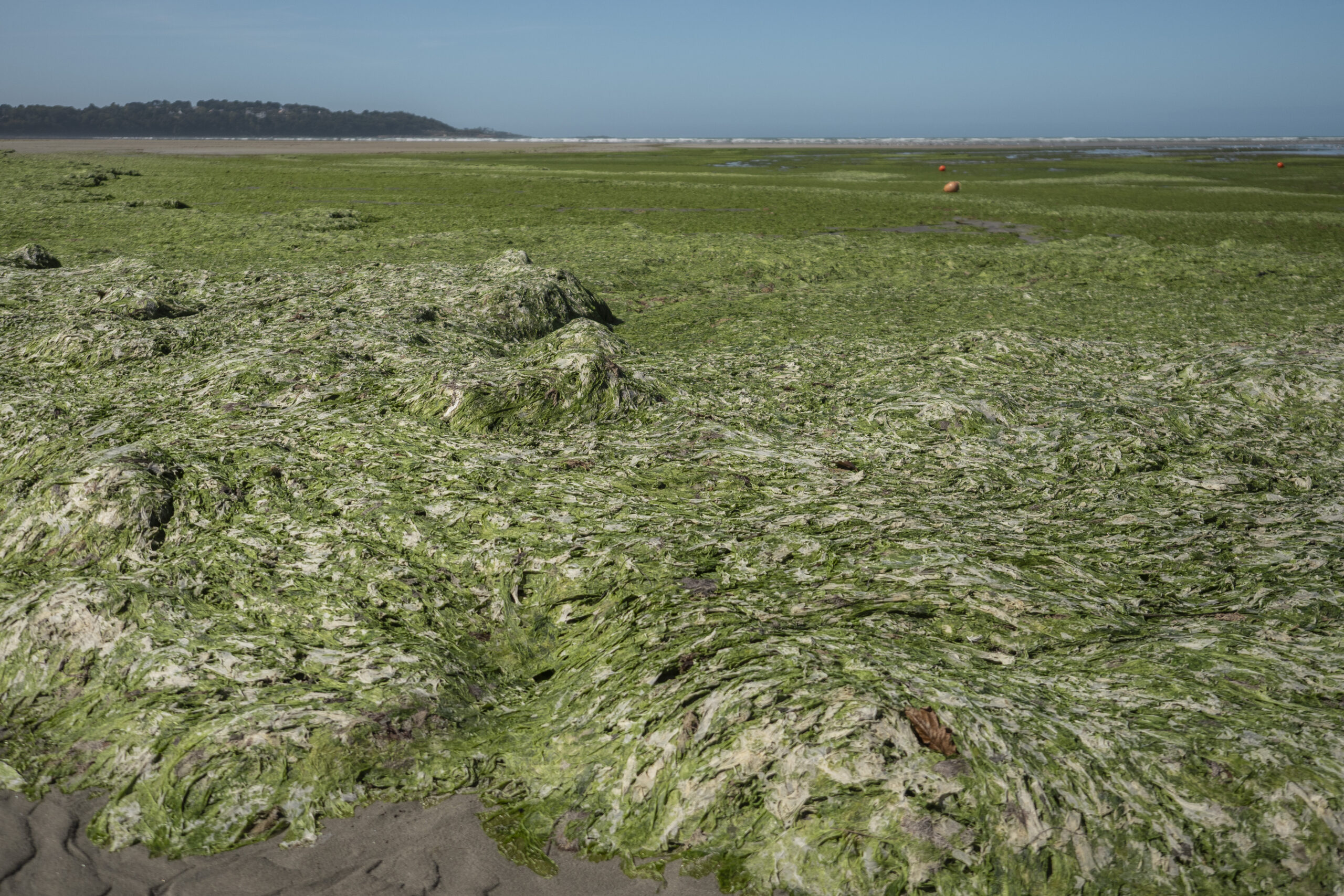
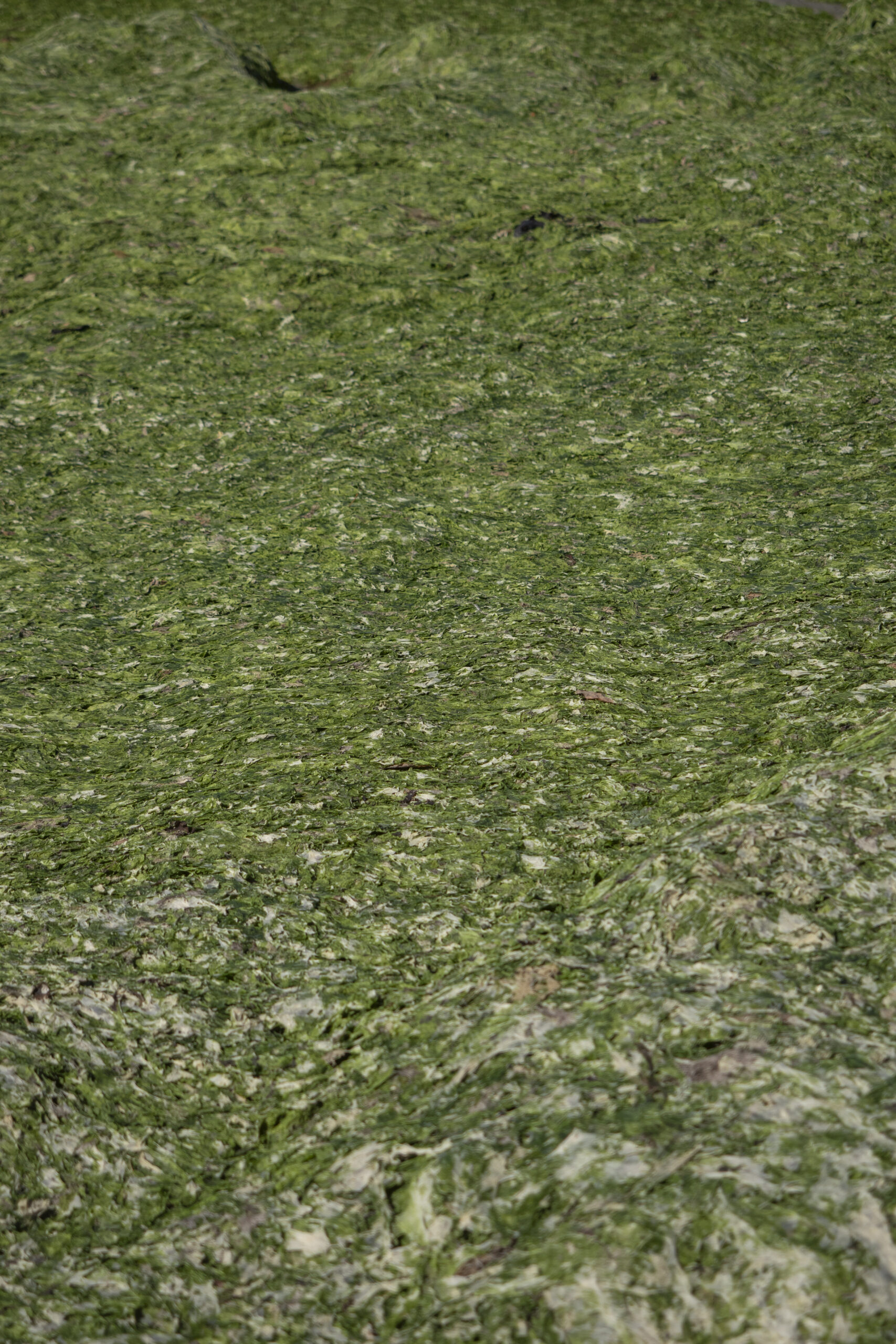
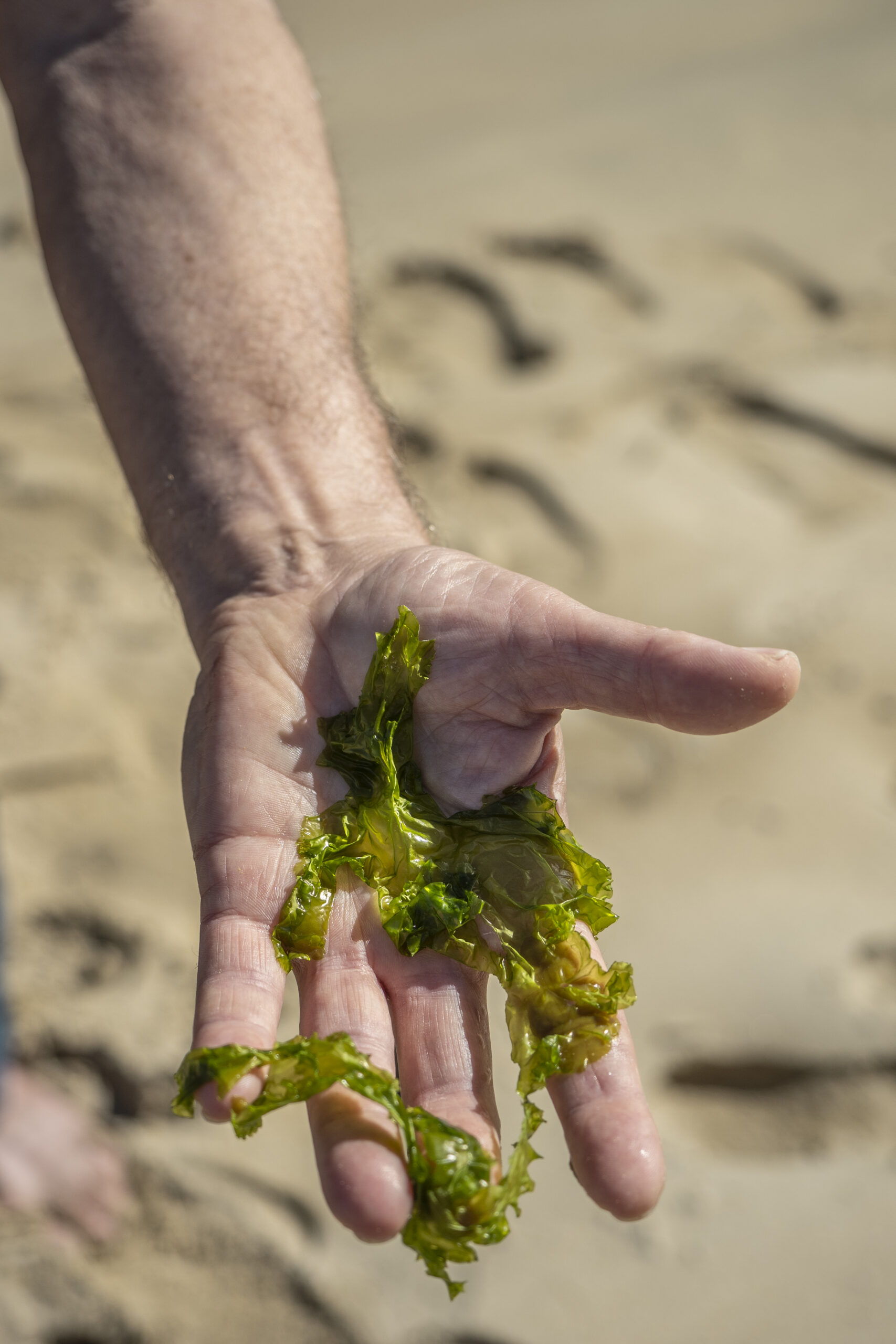
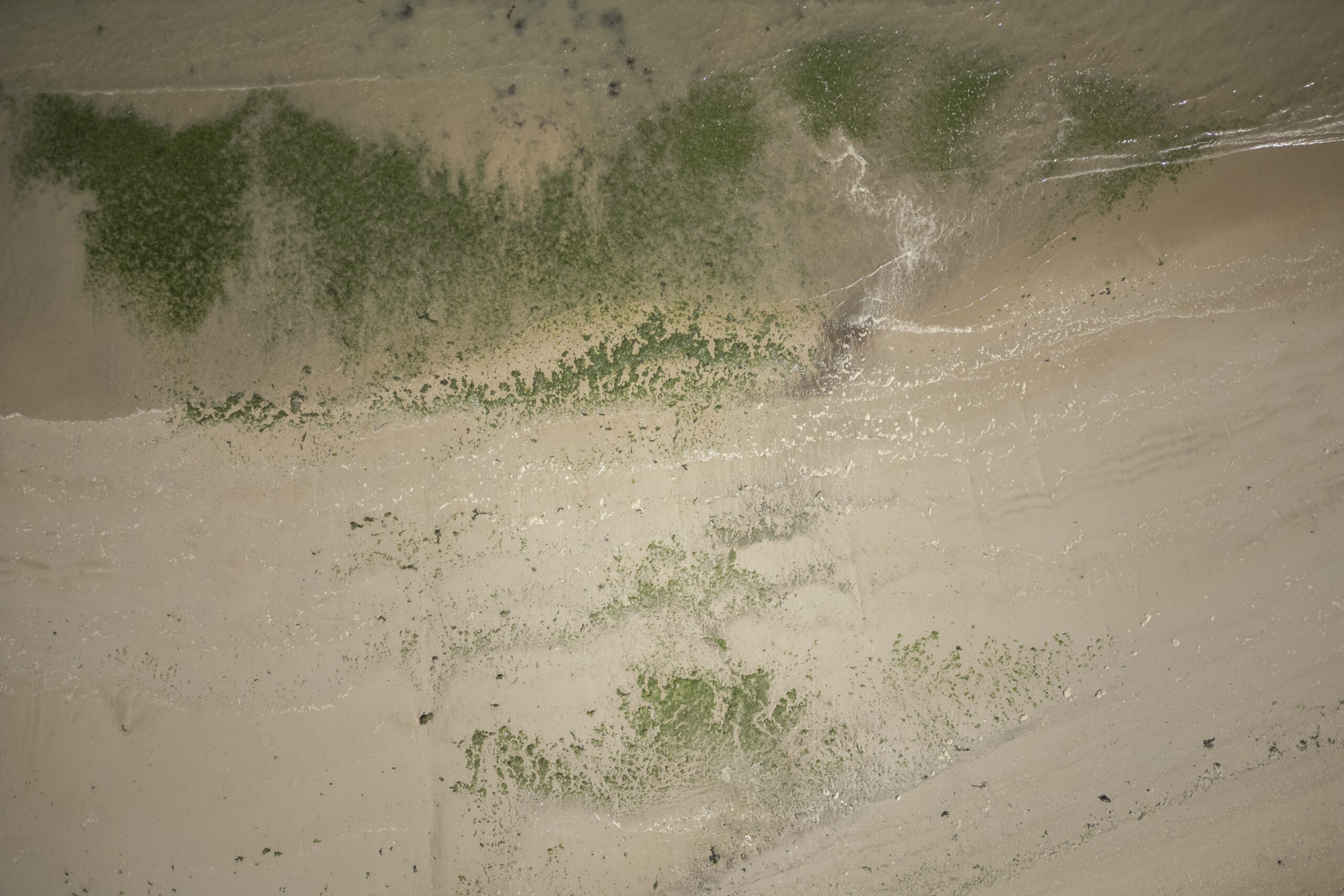
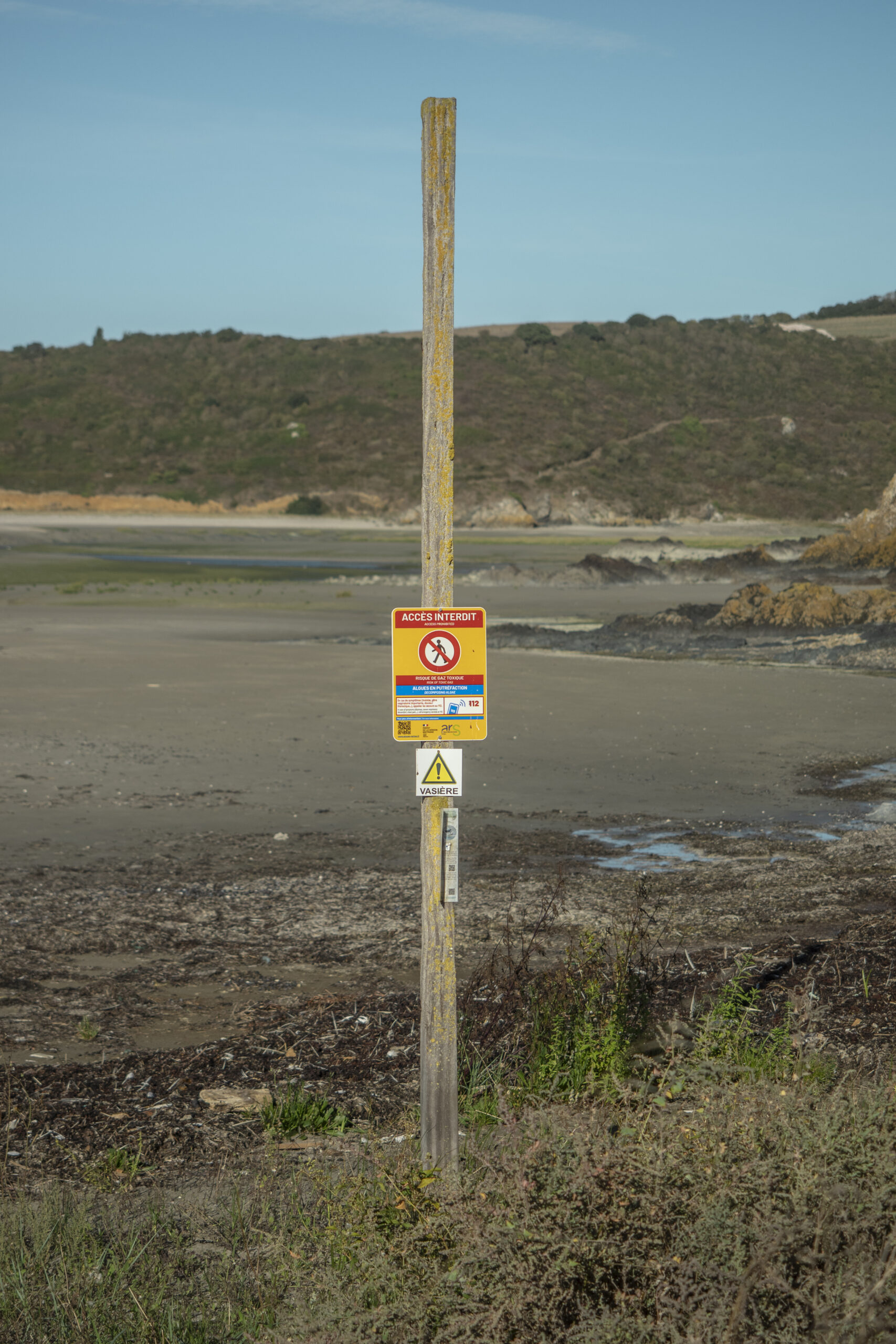
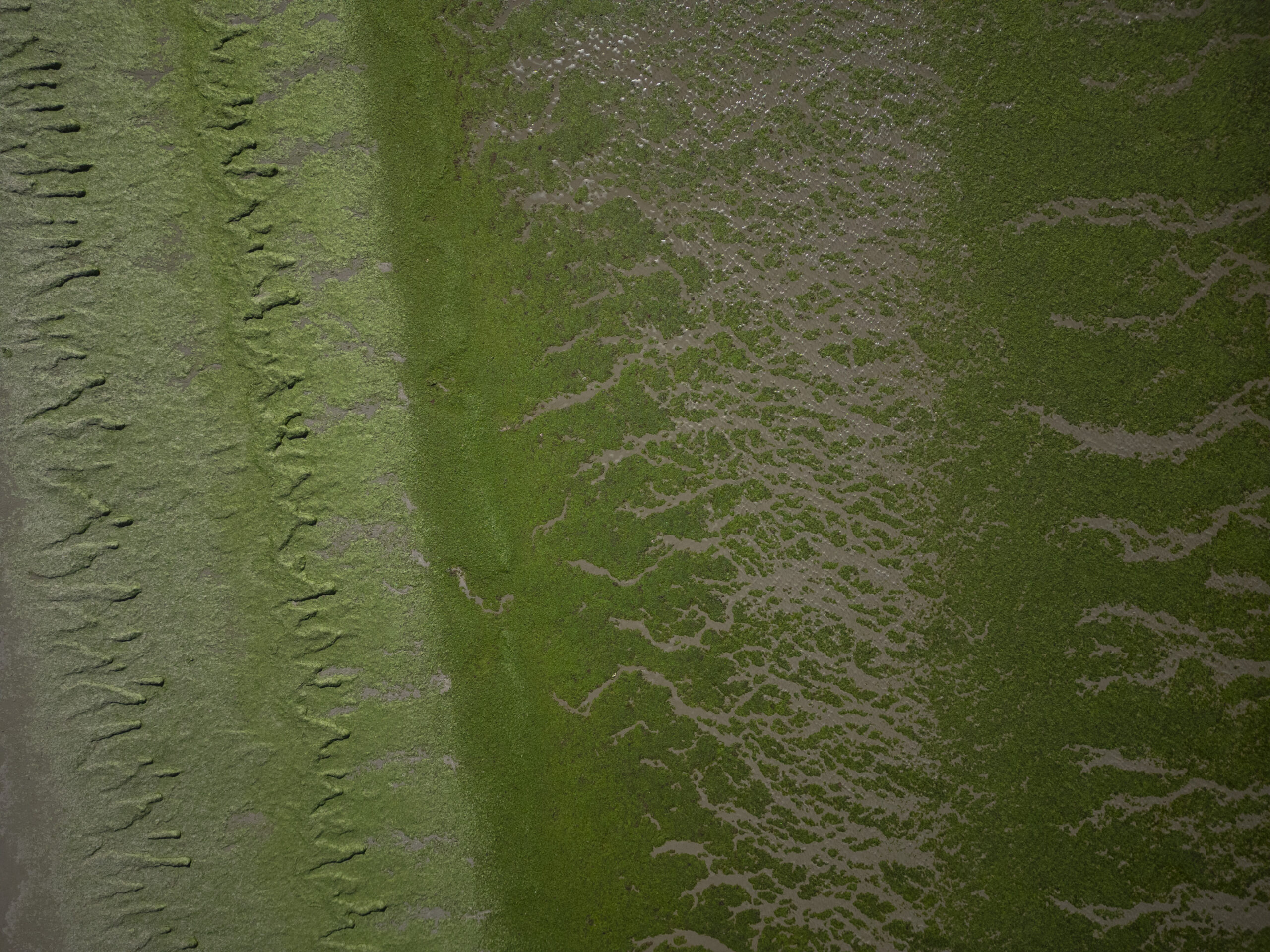
Certain types of algae have been linked to fatalities. When sea lettuce and blue-green algaes break down, they can produce hydrogen sulfide, a lethal gas that smells like rotten eggs and causes blocked airways and fluid to build up in the lungs if inhaled in large quantities.
Since the 1980s, sea lettuce algae has been linked to as many as six deaths on Brittany’s beaches.
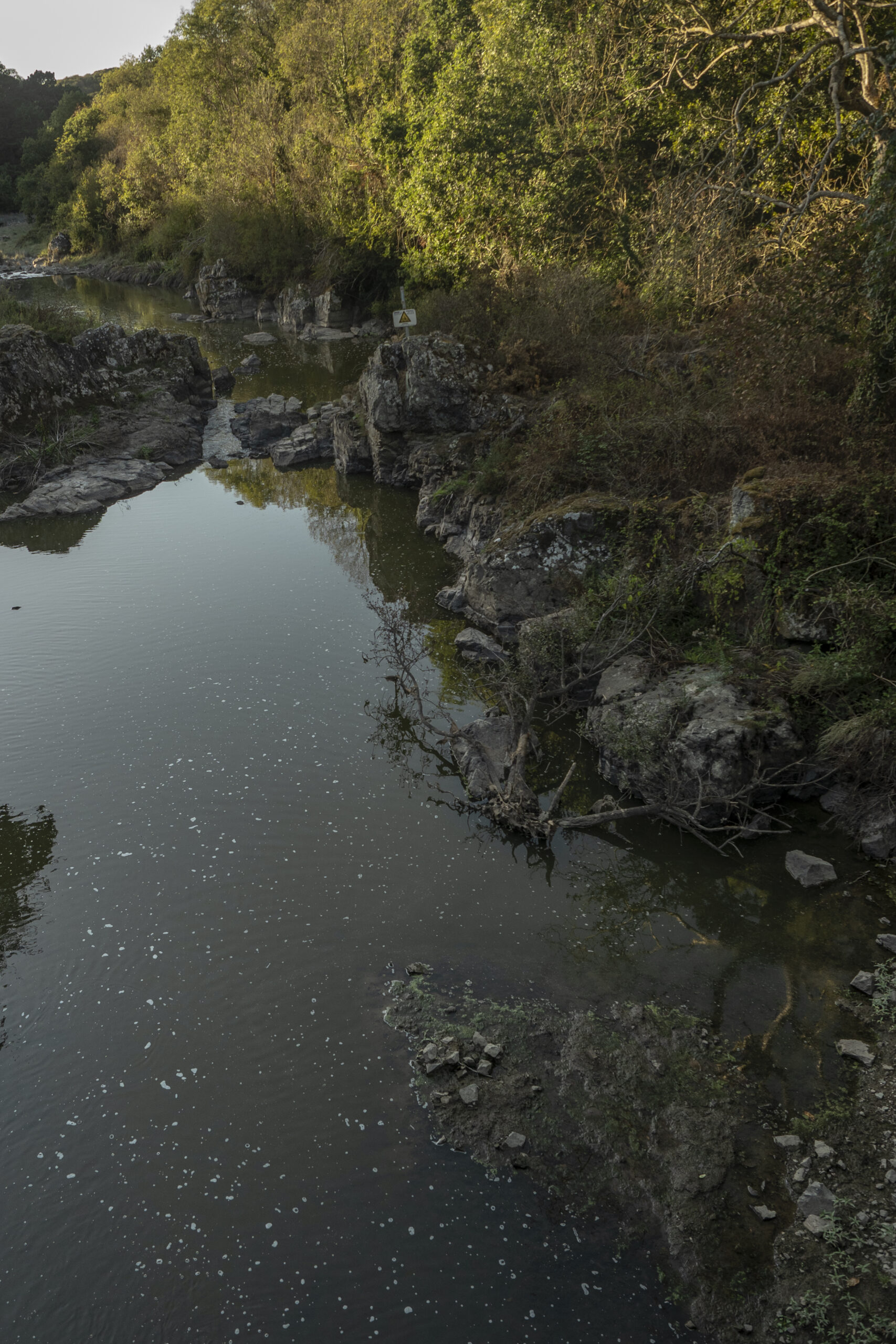
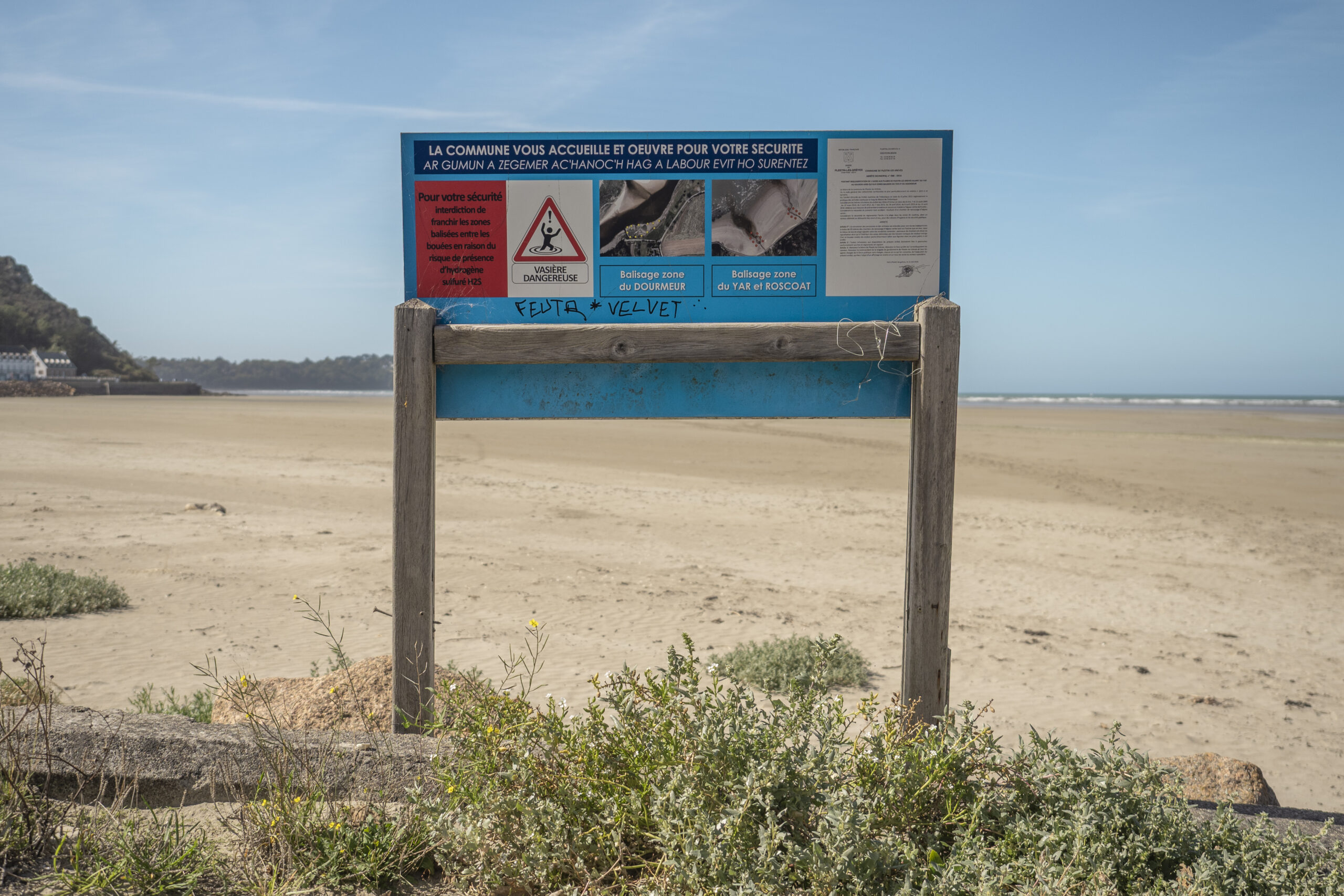
Locals here are clear about the cause of the algae growth. Near the tourist town of Saint-Brieuc, “the pigs” has been scribbled across an official sign warning about the danger and symptoms of inhaling toxic gas from the algae.
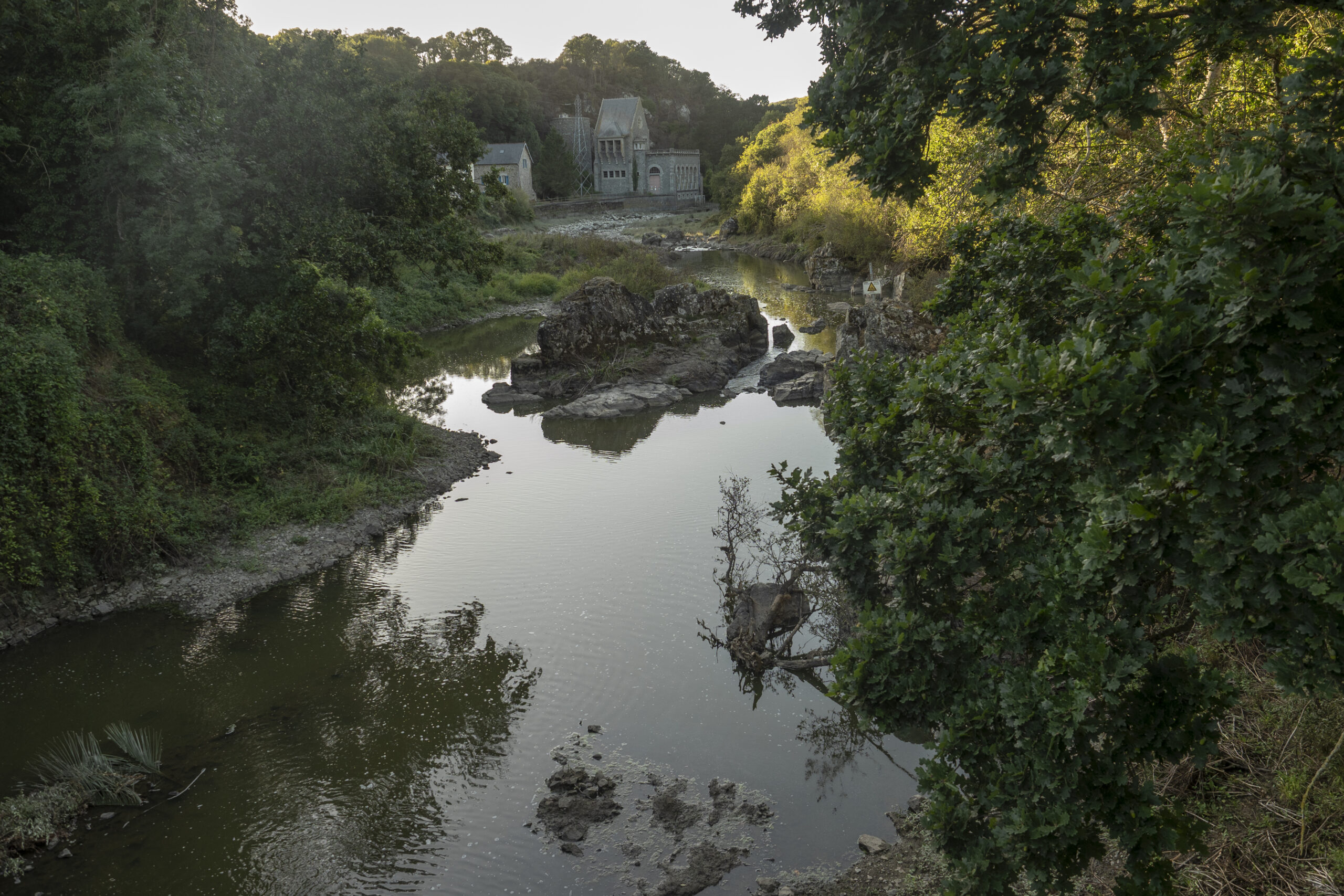
“We have many more animals than people,” environmental author Yves-Marie Le Lay told DeSmog. Although the peninsula covers just five percent of France’s surface, its 6.8 million pigs account for 58 percent of the country’s total population. “We have a manure problem, it all ends up in the rivers.”
As climate change accelerates, warming temperatures are also exacerbating the algal blooms. Algae grows quicker and lasts longer in warm waters, as higher temperatures allow it to digest and reproduce at a faster rate.
Full article on DeSmog. This article was published in partnership with Euronews and Climatica